
Asthma Relief with Chiropractic Care in New York
Asthma is a big concern for many people in New York and for a society as a whole, since the Centers for Disease Control and Prevention (CDC) reports that this problem currently affects almost 19 million adults and 7 million children in the US. A full-blown asthma attack likely means a emergency room visit. Thankfully, Dr. Valente has helped many people in New York get support from asthma symptoms.
Research Shows Chiropractic Adjustments Helps With Asthma
The medical literature verifies what we see in our office. For instance, a study published in Clinical and Experimental Allergy assessed 31 adult asthma patients after getting four weeks of chiropractic adjustments. The authors found that the patients who received chiropractic care had a 34 percent decrease in asthma symptoms.
The Journal of Manipulative and Physiological Therapeutics published another asthma-based study, except this one involved kids. In this article, the 36 patients ranged from 6 to 17 years old and their asthma was considered either mild or moderate in severity.
After 12 weeks of chiropractic, as a whole, the patients reported a higher quality of life and a reduced level of severity. As a bonus, they also reported that they relied less on their bronchodilator and these positive effects were still being demonstrated one year after chiropractic care was complete.
We Can Help Patients Find Help From Asthma
So, whether you're 6 or 60, if you have asthma attacks, be sure to contact Dr. Valente in New York and schedule an appointment today. We'll do what we can to help you breathe easier!
Resources
- Asthma. Centers for Disease Control and Prevention.
- Bronfort G et al. (2001, July-August). Chronic pediatric asthma and spinal manipulation: a prospective clinical series and randomized clinical pilot study. Journal of Manipulative and Physiological Therapeutics;24(6):369-77
- Nielsen N et al. (1995, January). Chronic asthma and chiropractic spinal manipulation: a randomized clinical trial. Clinical and Experimental Allergy;25(1):80-8
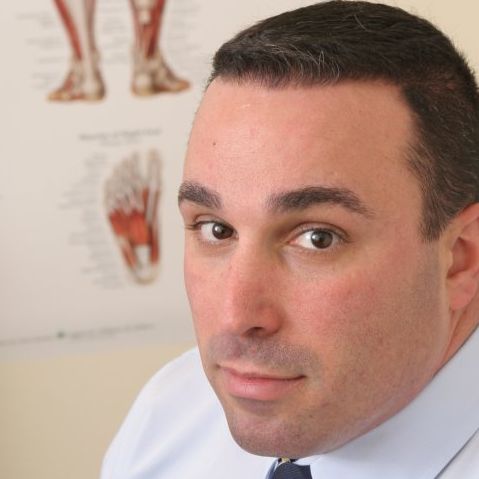
Dr. Valente
Dr. Valente graduated from Texas Chiropractic College in Houston, Texas, with a focus on Radiology, Rehabilitation, and Myofascial Disorders. During this time he received a certification in Acupuncture and was trained in Concussion Grading, Athletic Taping and Kinesio Taping techniques. At the same time he joined the Baseball Sports Medicine Institute where he treated Professional and Amateur athletes.
Latest Posts

Back Pain Recovery with Chiropractic Therapy
September 07, 2026
Relief from Asthma with Chiropractic
August 03, 2026

Studies Confirm that Chiropractic Care Is Safe
July 06, 2026